What does it take for bittern to thrive and not just survive?
Download our guide to learn what Bittern need and why.
Or use our checklist to assess features of an intact bittern habitat and prioritise what you can do now to help restore their wetland homes.
Check out our on-land series of infographics to help people on the land to create Bittern friendly-
Here are a few cues to get you started. Bittern need…
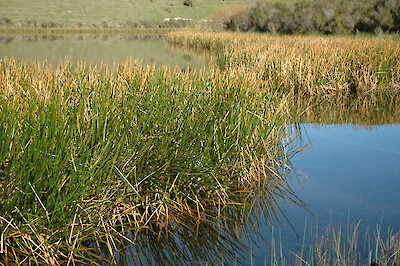
WATER. Clear shallow water for foraging, deep water for nesting and resting, little to no fluctuations, for 90 days from Spring.
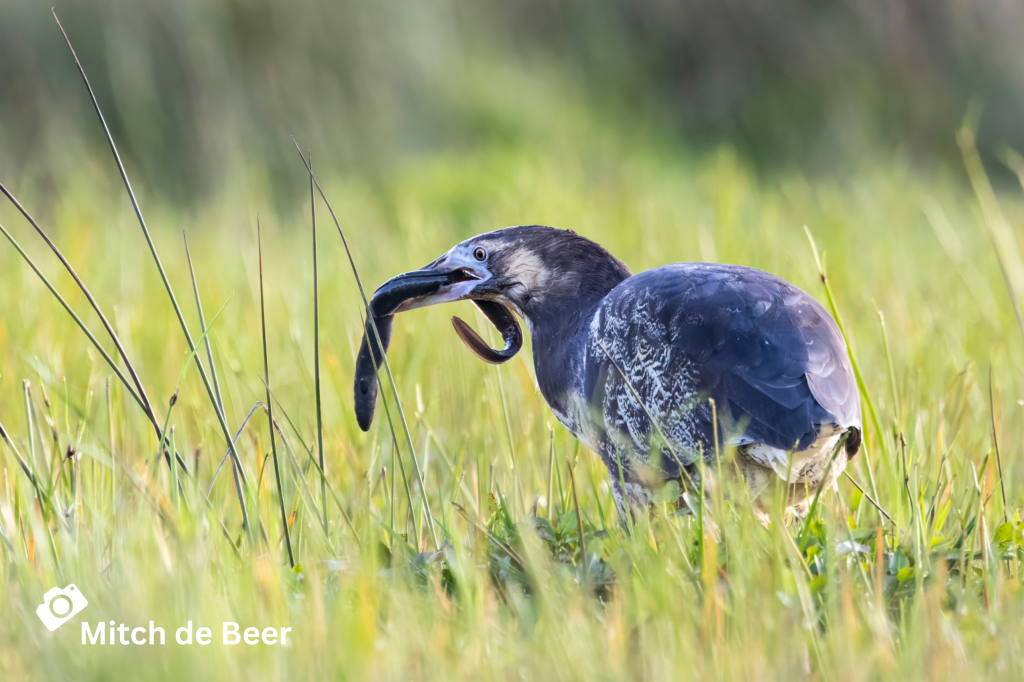
FOOD. An abundance of small eels, fish or frogs and because they are visual hunters, they need to be able to access them in clear, shallow water.
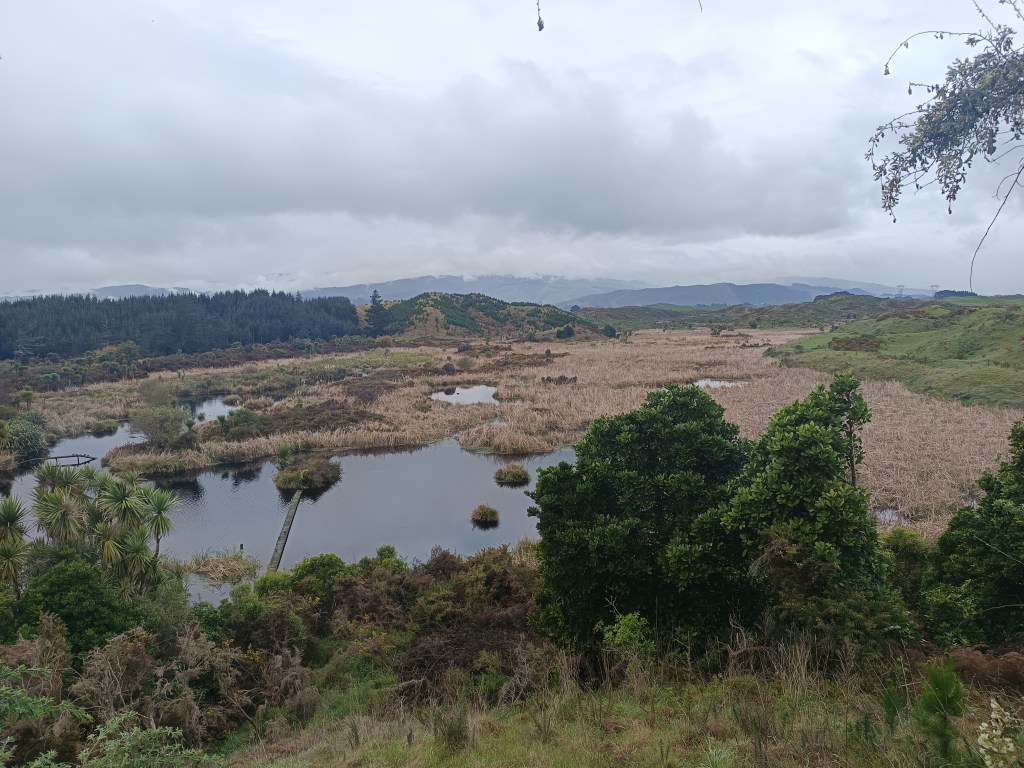
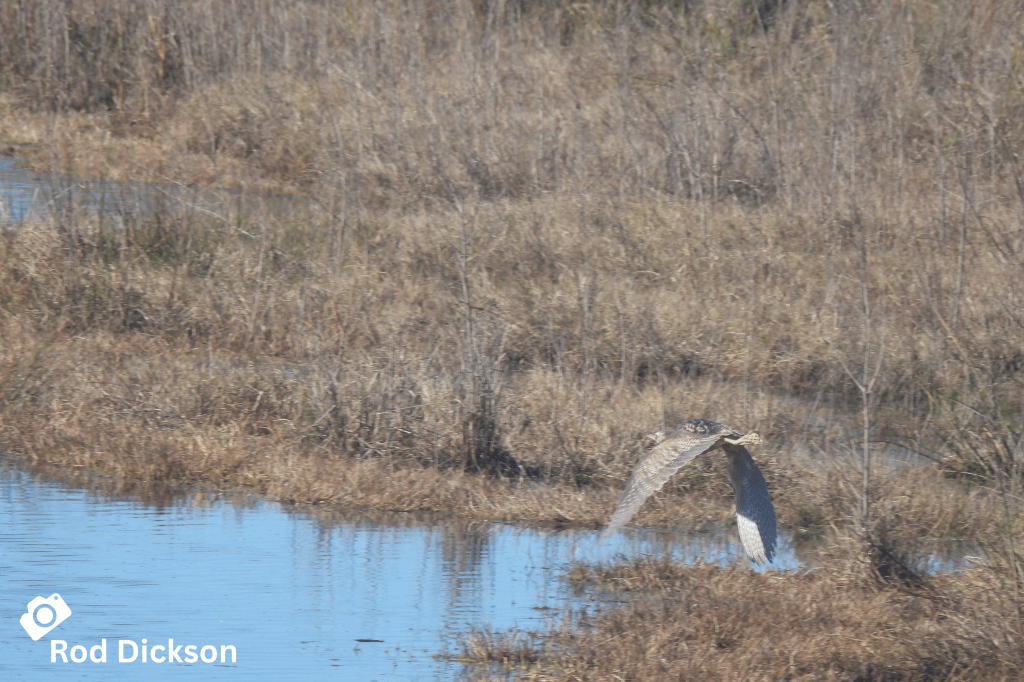
SIZE, SHAPE & PROFILE. Large vast areas of wetlands connected by safe passage along waterways, complex edges and gentle slopes into the water.
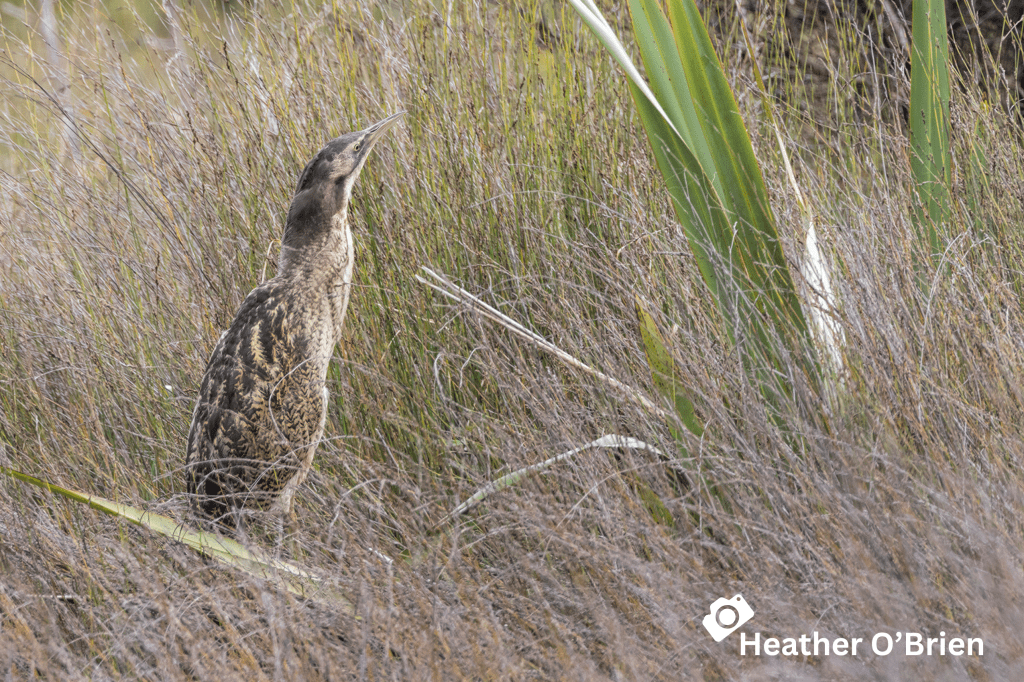
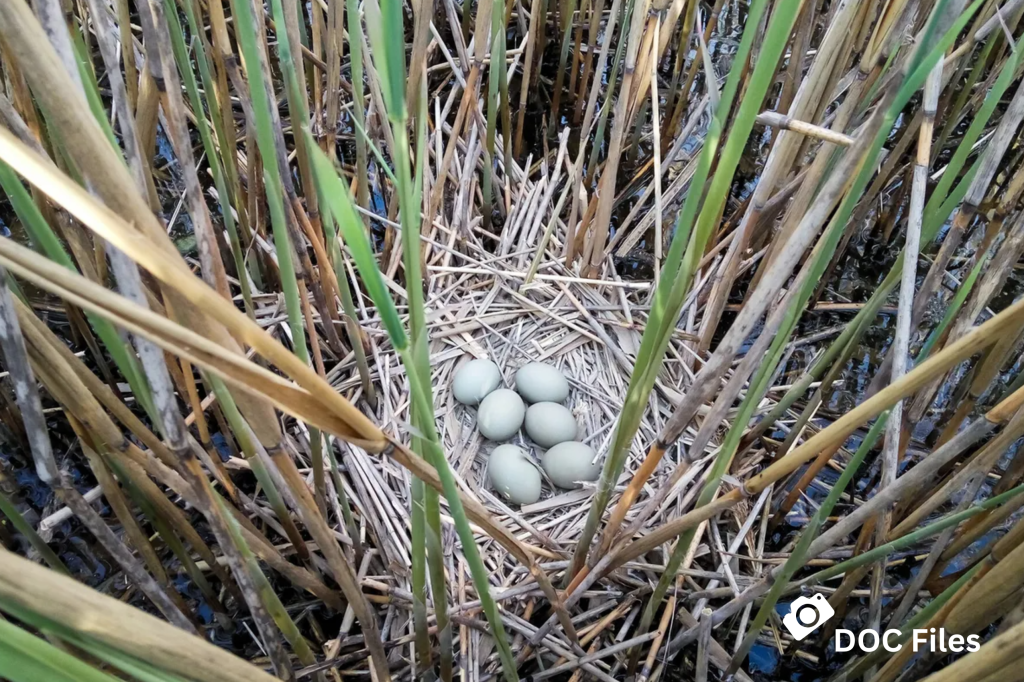
VEGETATION. Low stature plants for cover on or near foraging grounds, reeds, rushes, grasses or sedges over permanent water for protection while nesting and resting.
PEST SPECIES. Help to control mustelids and feral cats, a strategic plan to draw predators away from sensitive nests and to monitor incursions.
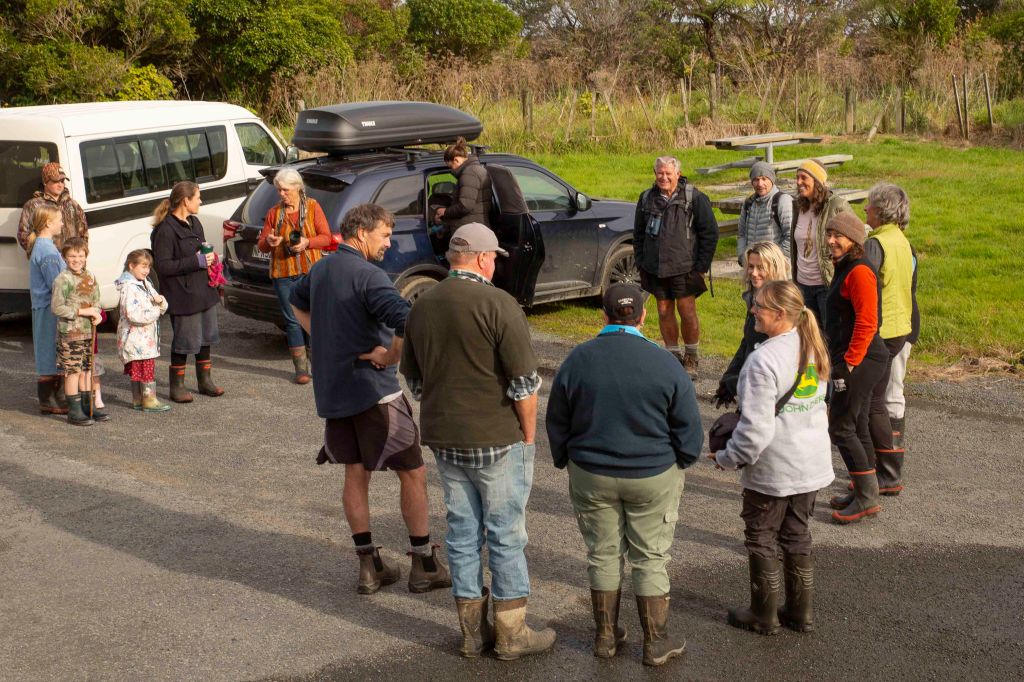
PEOPLE. To raise awareness in their communities for Bittern, to advocate for protection from man-made disturbances in regional policy and district planning.
CLIMATE CHANGE. To have wetlands restored higher than 1m above sea level and at least 3wetland restored in every catchment .
 LOVE BITTERN PROJECT