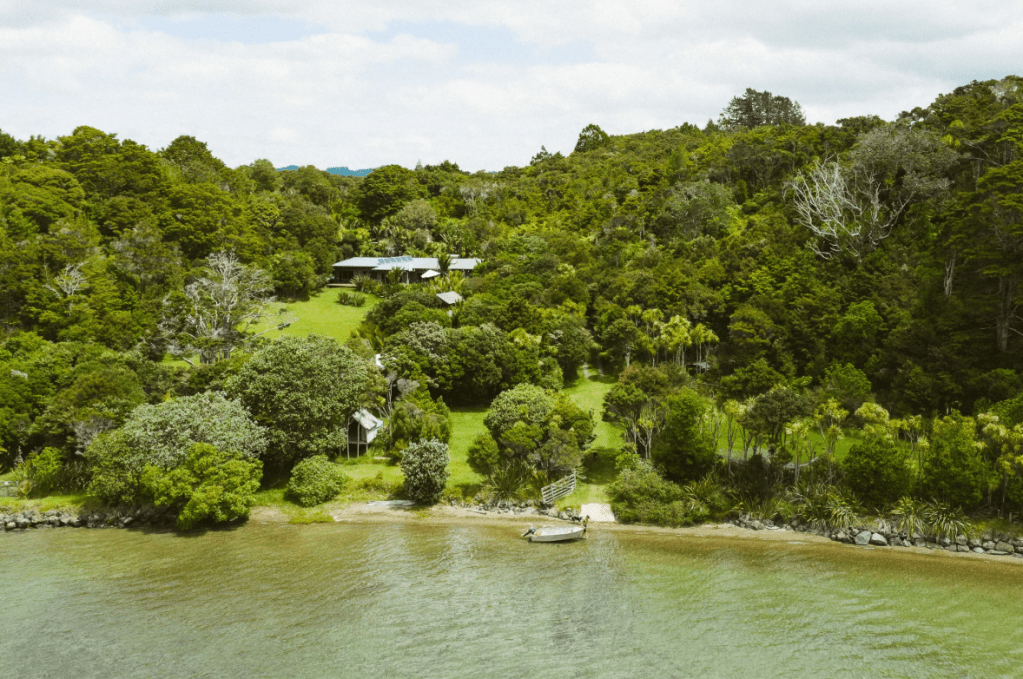
How we value and care for our water.
We (thats hubby and I) are truly blessed by whatever deity you think may bestow such blessings as being able to live in a beautiful bush clad spot in Taitokerau, Aotearoa.
We are caretakers for 9 ha on the south side of the Ngunguru awa, a kilometer or so up river from the entrance, 11 kilometers off the end of a long gravel road with no power, phone or water connections to ‘the mains’.
Our water comes from the ground, pumped using solar energy (there’s ghost acres hiding there) then gravity fed back to the house and garden… and from water collected from our roof.
Our water is treated on-site and the residual black water is contained in a tank that is emptied every 20 years or so (that’s ghost acres right there) which means on our sandy soils what we do in the loo doesn’t impact the awa.
Our cleaning products are all Ecostore, we buy it in bulk.
We swim in the awa and wash in gas (more ghost acres) heated outdoor showers.
We use the water in the summer to help keep our food forest producing fruit, vegetables and biomass to feed the soil. We also use the water to fill a garden pond (trough submerged) for birds during the summer as there are little to no springs on the land that surrounds us.
We clean the exterior of the house, the roof to keep the water clean that runs off it and the walls as part of our maintenance…this uses a petrol generator (more ghost acres) and we occasionally clean our cars (2) (both ghost acre gobbling machines)
What are all these ghost acres?
Ghost acres are an acknowledgment that some of the things we do, do not have an impact on the land we are guardians for here, its ‘shipped in or shipped off’ and the impacts on the choices we make here are felt somewhere else – these are our ghost acres.
While plenty still fish the awa and there is snapper literally at our doorstep, we stopped fishing a few years back because it didn’t feel right. Hubby had noticed over his time here (30+ years) fish numbers were declining and we don’t want to contribute to that loss.
Hubby’s burning question is – Where have all the flounder gone?
We suspect changes in the awa may have caused the decline.
Our Ngunguru awa catchment has less impacts than most. It comprises of just 8,500 ha of land and 74kms of waterways. The catchment consists of a range of land uses and activities including production forestry (21%), indigenous forest (36%), pastoral land (29%), lifestyle properties and the urban coastal settlement of Ngunguru (population ~1500-2000?).
In our immediate area there are less than 20 people who live on 500 hectares of land on our peninsula, 1 sheep and beef farm, forestry…but mostly unproductive land or regenerating native forest, and we have 31 ha of connected wetland habitat ribboned along the edges of the Ngunguru river that form an almost contiguous wetland environment.
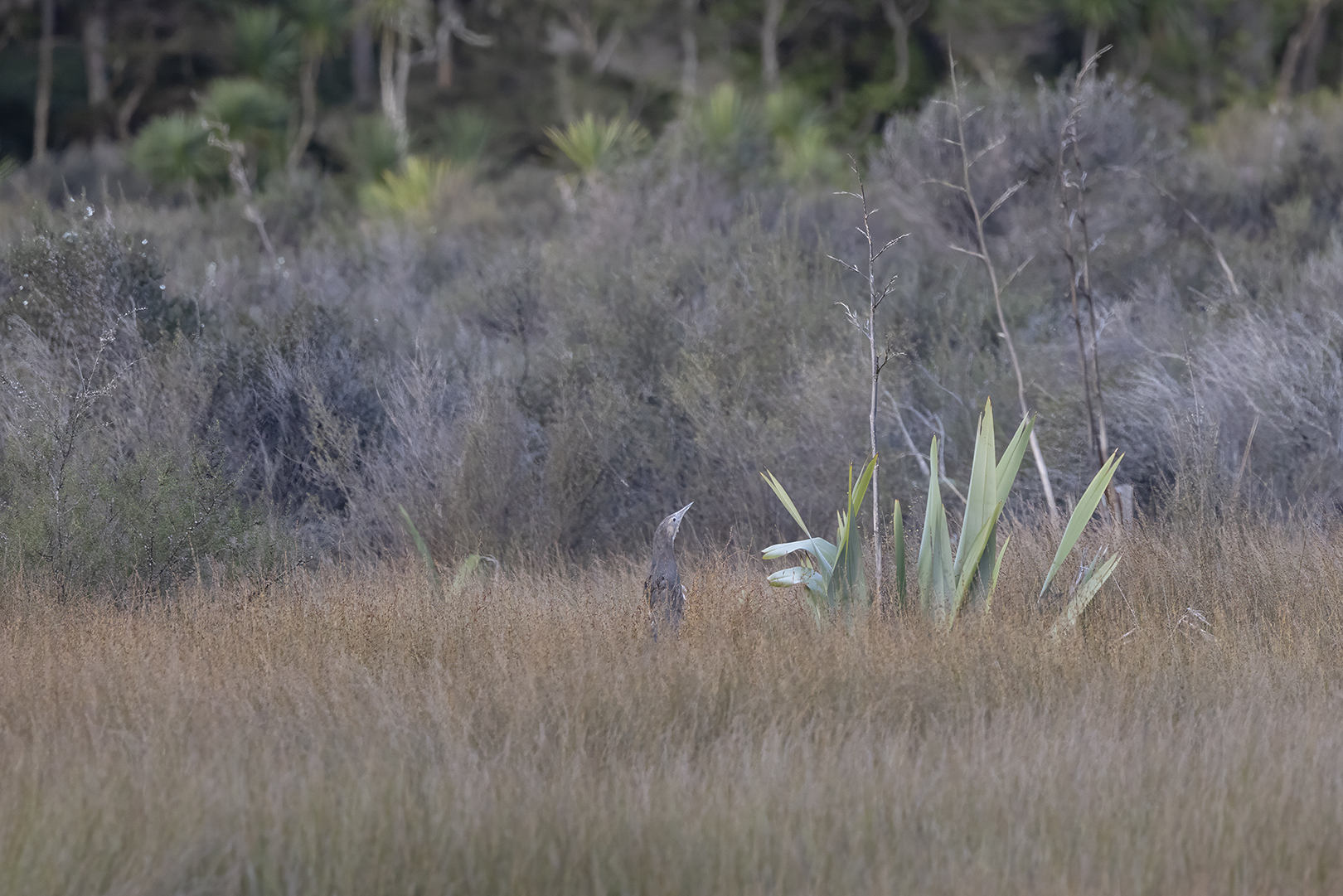
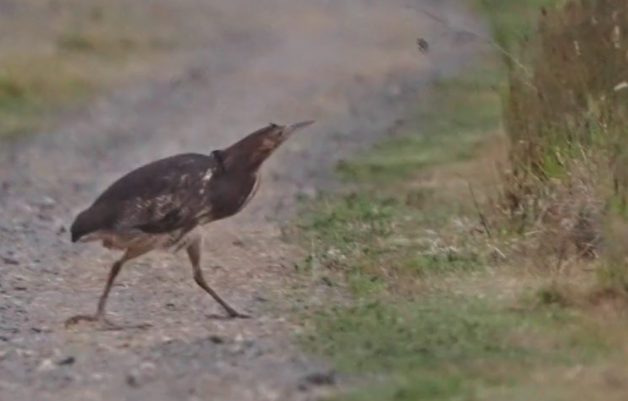
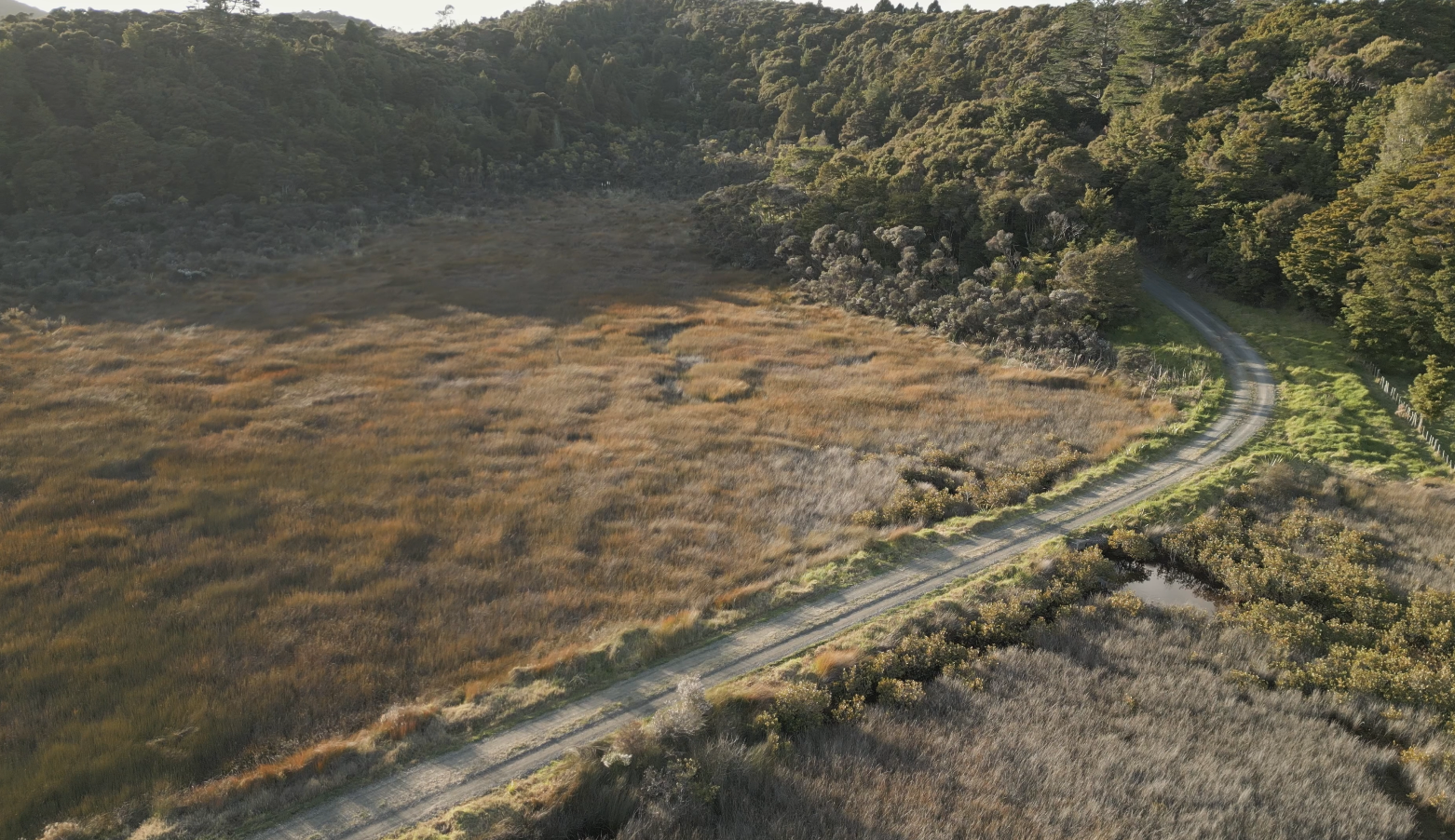
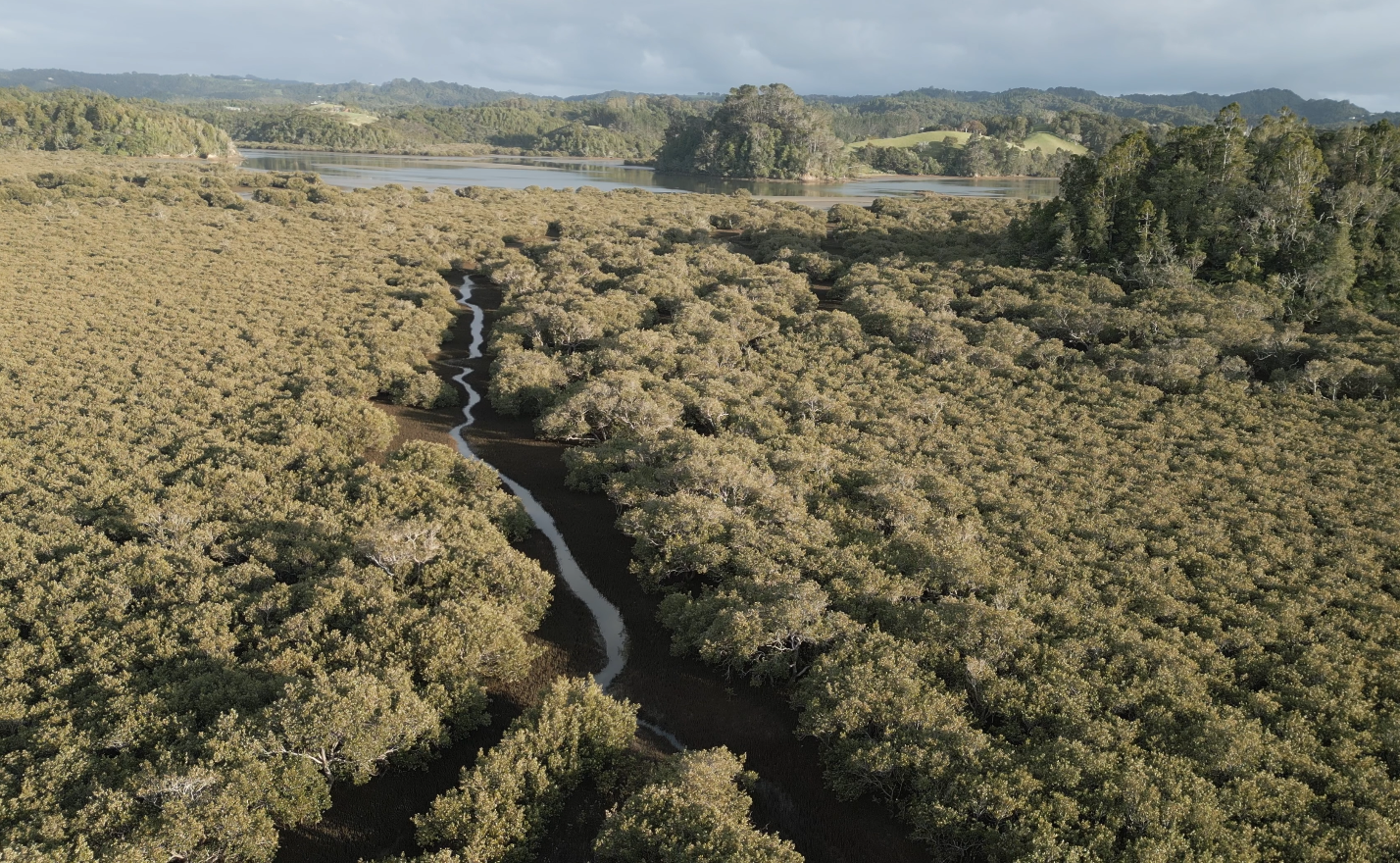
This is where our hūrepo live.. but they may not be here for long.
Why? Because wetlands change and over time they become more dry. This natural progression or march of terrestrial land pushes out into the waters edge and the increased salinity from sea water levels rising pushing in are squeezing our remaining ‘freshwater’ wetlands out.
Wetlands are dynamic places and typically the water finds another place to go. When that water sits where council maps don’t show a wetland, places fenced and grassed to keep cattle in, drained to send the water out and constrained by man-serving infrastructure (culverts, roads) then that new place has no protection and can’t function as a wetland.
Our water problem may be different to yours but it’s still something we need to actively manage. When challenges are big, the solutions still start small. They start where we are, they start with what we want to see and they start with identifying what we can do to help, then getting stuck in!
This post is that small step, in that we
- acknowledge we aren’t perfect.
- identify the things we value (swimming in the awa, having populations of fish and hūrepo that are thriving).
- make a plan for the things we can change (a community-led catchment scale solution)
- take action.
Be the change you want to see in the world.
 LOVE BITTERN PROJECT