Protecting networks of freshwater habitats
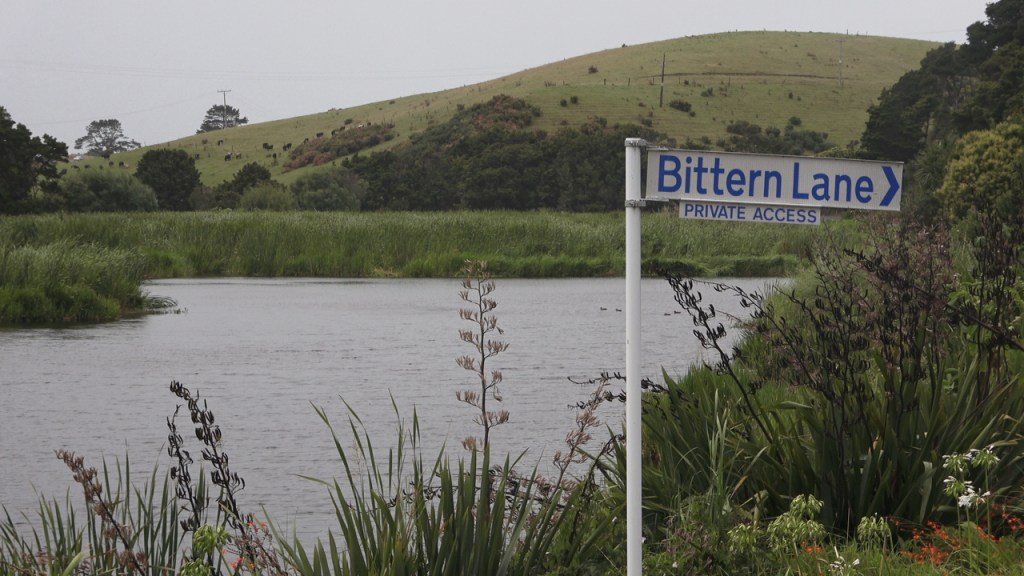
It is important to define and protect the networks of freshwater habitats used by Austalasian Bittern.
Wetlands are hard to define in the landscape, they form wherever there is water, along our waterways and around water bodies.
While there is special emphasis on wetlands as the preferred habitat for Australasian Bittern for nesting and resting, due to wetland habitat loss and degraded water quality, they now rely more than ever before, on large networks of freshwater and brackish water habitats to forage and take refuge.
These networks can be seen in the maps that are created by the Department of Conservation who are tracking Austrlasian Bittern in New Zealand using GPS trackers.
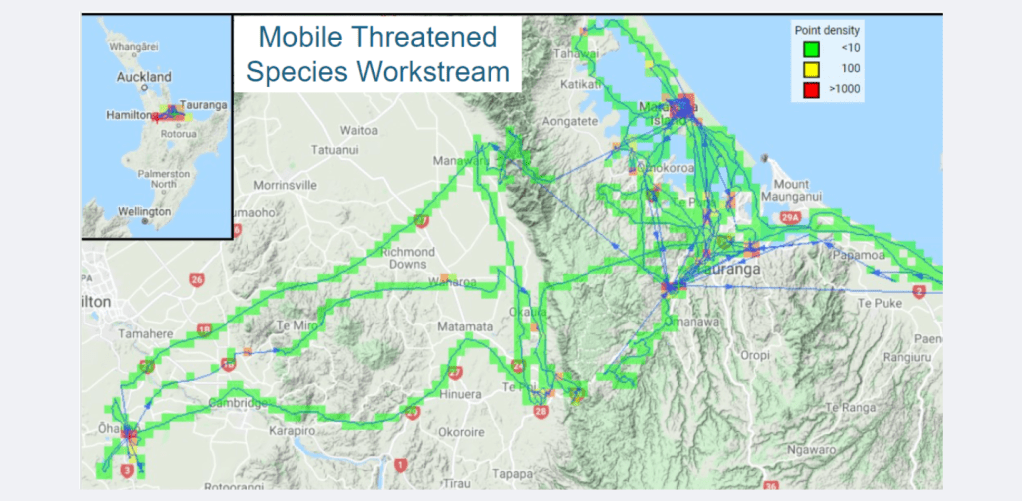
However, with only a dozen or so tracked Bittern and no control over where this highly mobile species will go, we don’t have data or maps for every district or region.
How you can help:
Recording a Bittern every time you see or hear one helps us to see how they utilise the wider landscape. You can record bittern on our website or apps you may already be using such as iNaturalist, eBird or The Conservation Hub.
How this information is used:
In a current case study, Government organisation Waka Kotahi – NZTA are carrying out investigations to route SH1 (Northland Corridor) through an area where there are known Bittern breeding habitats (wetlands, chicks photographed), a population of Bittern and a network of habitats they use near Ruakaka.
Thankfully this site has been monitored as part of The Great Matuku Muster which is coordinated by a local ecologist and records have been uploaded over the years to eBird of sightings so the Bittern here can’t be ignored.
However to demonstrate how Bittern are using the wider landscape we are relying on the records of local people to record the location they observed Bittern and if possible take photographs as evidence.
It’s too late once the investigations have been carried out to say – stop the road, we have bittern! The reality is that this situation could occur anywhere at anytme. Which is why we need people to record Bittern – every Bittern counts!
Wider benefits:
Other species that live in our wetlands cross over to other habitats such as our forests, rivers and sea. Pathways on the land, water and in the air need to be considered to provide safe passage for all species.
Australasian Bittern feed on aquatic and semi-aquatic species. Eels and fish are important food sources for Australasian Bittern. A lot of their target species migrate from fresh water habitats out to the sea to complete their breeding cycle eg.
- Tuna (long-finned and Short-finned Eel/Tuna (Anguilla spp.))
- Kanakana (lamprey (Geotria australis))
- Whitebait species -Īnanga, Kōkopu, Kōaro (Galaxias spp.)
By looking after these interconnected habitats and ensuring safe passage through our waterways to the sea, we are also looking after these fish species that are the biomass that fuel countless species further up the food chain.
Australasian Bittern share their habitat with other endemic birds who rely on healthy wetlands. While our focus is on restoring networks for Bittern, in doing so we also help a range of other species eg.
- Brown Teal/Pāteke (Anas aucklandica)
- New Zealand Dabchick/Weweia (Poliocephalus rufopectus)
- Paradise Shelduck/Pūtangitangi (Tadorna variegata)
- Fernbird/Mātātā (Bowdleria punctata)
People need healthy freshwater habitats too! With an increasing risk of flooding and fires across the globe wetlands, waterways and water bodies all play a part in mitigating impacts by slowing down and storing water. Wetlands in New Zealand store more carbon than any other eco-system and they help to keep our water clean and clear – or in our terms – drinkable, fishable and swimmable.
Next article, coming soon – Constructed habitats and exotic species role in conservation of Australasian Bittern
 LOVE BITTERN PROJECT